

Views: 0 Author: Site Editor Publish Time: 2026-09-15 Origin: Site


Commercial refrigeration procurement carries massive financial stakes. Compressor failure triggers immediate product spoilage risks. You also face crippling operational downtime and emergency labor premiums. Buyers often prioritize the initial sticker price over long-term financial impacts. This misaligned strategy creates dangerous budget pitfalls. Environmental regulations are shifting rapidly across the globe. You need a transparent, vendor-neutral breakdown to navigate these complex choices. We provide a detailed look at refrigeration compressors to guide your next upgrade. You will learn to evaluate upfront costs, operational efficiencies, and compliance realities. This comprehensive guide equips you to make confident, future-proof purchasing decisions.
Upfront equipment costs represent only a fraction of the lifetime expense; energy consumption and maintenance dictate the true financial impact.
Regulatory phase-downs of high-GWP (Global Warming Potential) refrigerants fundamentally alter the ROI of older compressor technologies.
Selecting between hermetic, semi-hermetic, and scroll technologies requires balancing immediate budget constraints against long-term serviceability.
Proper sizing and integration of the refrigeration compressor cooling unit are critical to preventing premature failure and voided warranties.
Multiple variables influence the price tag of commercial cooling equipment. Understanding these specific factors helps you avoid expensive procurement mistakes. We break down the primary hardware cost drivers below.
Cooling capacity directly correlates with the final unit price. You must size equipment perfectly for peak ambient conditions. Over-sizing wastes your capital upfront. It also causes mechanical short-cycling issues. Under-sizing leads to catastrophic burnout and ruined inventory. You need exact load calculations to balance performance and budget. Precision engineering prevents these expensive sizing mistakes.
Application temperatures dictate internal engineering complexity. High-temperature HVAC applications differ vastly from medium-temperature coolers. Low-temperature freezers require even more specialized internal components. These distinct engineering needs impact the final price tag heavily. Specialized low-temperature models always command a premium. They require robust internal lubrication systems to survive harsh cycles.
Refrigerant compatibility serves as another major pricing factor. Units engineered for modern A2Ls or CO2 carry a slight premium. They mitigate expensive future retrofit mandates. Older refrigerant designs might look cheaper initially. They expose you to massive compliance risks down the road. Future-proofing your system saves thousands of dollars eventually.
Consider variable-speed versus fixed-speed drives carefully. Inverter-driven units cost more initially. They yield substantial energy savings over time. You also gain precise temperature control during fluctuating loads. Fixed-speed models offer lower initial costs. They consume significantly more power during partial load conditions. Variable speed technology represents the modern industry standard.
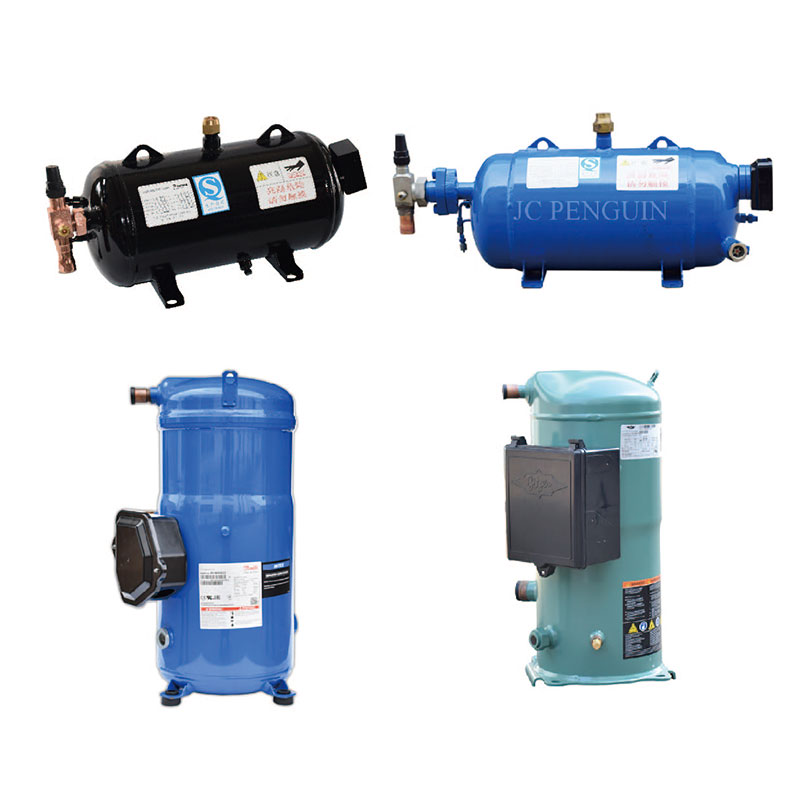
Different compressor technologies serve distinct commercial needs. Each category presents a unique financial profile. We compiled standard industry benchmarks to guide your budgeting process. These figures highlight the massive variance across different hardware solutions.
Estimated Commercial Compressor Price Benchmarks
Compressor Technology | Average Horsepower Range | Estimated Hardware Cost (USD) |
|---|---|---|
Hermetic (Welded) | 0.5 HP - 5 HP | $300 - $1,200 |
Copeland Scroll | 3 HP - 15 HP | $900 - $3,500 |
Semi-Hermetic Piston | 5 HP - 40 HP | $2,500 - $12,000+ |
This category demands the highest initial investment. It remains financially advantageous for massive industrial operations. A Semi-Hermetic Refrigeration Compressor is fully rebuildable. Technicians can service it on-site quickly. It suits heavy-duty commercial applications perfectly. Replacing an entire unit is logistically prohibitive in massive facilities. Rebuilding internal parts saves immense labor and equipment costs over a decade. You gain complete control over your maintenance schedules.
Scroll technology occupies the mid-to-high pricing tier. A Copeland Scroll Refrigeration Compressor offers an industry-standard balance. You get excellent efficiency and proven reliability. Fewer moving parts mean lower vibration. You also benefit from much quieter operation. They perform highly efficiently for continuous duty cycles. However, they are typically non-serviceable. A failure usually requires full hardware replacement. Supermarkets rely heavily on this reliable technology.
Hermetic models feature the lowest upfront cost. They serve as the standard in smaller commercial reach-in units. We often view them as disposable throwaway units. You cannot open them for internal repair. A mechanical failure necessitates complete replacement immediately. They fit perfectly where minimal capital expenditure is the top priority. Light commercial kitchens utilize them extensively.
Hardware prices represent a tiny fraction of lifecycle expenses. Focusing solely on the purchase order creates financial blind spots. You must evaluate energy, installation, and ongoing maintenance. This broader perspective prevents catastrophic budget overruns.
Compressors consume the bulk of electrical load in commercial refrigeration. A slightly cheaper unit might draw 15% more power annually. We use a ten-year lifespan framework to calculate baseline energy costs. High-efficiency models pay for their premium within three years. After that, they generate pure operational savings for your facility. Utility rates will only continue to rise globally.
You must factor in the physical realities of replacement. Access issues dramatically inflate project budgets. Crane rentals for rooftop units cost thousands of dollars. Emergency weekend labor rates often exceed the hardware price itself. Proactive replacement schedules help you avoid these exorbitant emergency premiums. Planned upgrades save tremendous amounts of capital.
Assess the hidden costs of retrofitting carefully. Replacing just the compressor might seem economical initially. However, integrating a new compressor into an aging system carries risks. You should evaluate a complete Refrigeration Compressor Cooling Unit replacement. Replacing the compressor, condenser coil, and fan simultaneously often yields better efficiency. It prevents secondary component failures shortly after the initial repair. System synergy is crucial for longevity.
Durable equipment reduces your reliance on reactive breakdown services. Predictive maintenance includes frequent oil changes and contactor replacements. These planned expenses cost far less than sudden hardware failures. Heavy-duty semi-hermetic models excel in this proactive maintenance framework. They reward diligent servicing with decades of reliable performance. Cheap equipment often breaks down before reaching its projected lifespan.
Modern refrigeration extends far beyond basic thermodynamic cycles. Strict environmental regulations dictate market availability and future viability. Ignoring these factors exposes your business to massive financial liabilities.
Federal and state agencies mandate strict refrigerant phase-downs. Buying cheaper hardware designed for R-404A presents a massive financial risk. These older refrigerants face severe production quotas and rising costs. You risk buying obsolete hardware today. Mandatory retrofits will cost thousands of dollars later. Always specify equipment compatible with low-GWP refrigerants. This proactive step guarantees regulatory peace of mind.
Assess the true cost of operational downtime. Standard fractional-horsepower models usually ship within days. Specialized or high-capacity units often carry multi-week lead times. If a critical freezer drops temperature, every passing hour destroys inventory. Securing reliable supply chains mitigates these catastrophic delays. Domestic inventory availability is a crucial purchasing factor.
Original Equipment Manufacturers enforce strict warranty guidelines. Common installation errors quickly invalidate these protections. Improper piping design stresses the compressor mechanically. Failure to flush lines leaves destructive contaminants inside the system. Incorrect superheat settings cause liquid slugging. These errors leave buyers fully exposed to replacement costs. Professional installation is mandatory for warranty validation.
Choosing the right vendor is just as important as choosing the hardware. A reliable supplier acts as a technical partner. We developed a clear framework to help you finalize your bids confidently.
You must decide between new and remanufactured equipment. Factory-rebuilt compressors offer a safe, cost-effective alternative. They work well for massive industrial applications. Third-party rebuilds often pose unacceptable operational risks. Ensure the remanufacturer uses strict OEM specifications and genuine internal parts. Ask for documentation proving their quality control processes.
Scrutinize the fine print of every warranty document. Does the warranty cover only the physical replacement parts? Does it include the heavy labor costs associated with a commercial swap? Labor allowances distinguish premium warranties from standard manufacturer guarantees. Protect your operational budget against these hidden labor expenses. Always ask for written warranty clarification.
Prioritize suppliers carrying strong domestic inventory levels. They provide rapid technical support during emergencies. Transparent return policies on core exchanges are also vital. A reputable vendor communicates clearly about shipping terms and core deposit refunds. You need a partner who understands commercial urgency perfectly. Test their technical support response time before buying.
Follow this actionable checklist before requesting final procurement bids from your suppliers:
Verify exact cooling load requirements alongside your facilities manager.
Confirm refrigerant compliance targets alongside your procurement teams.
Consult your HVAC contractor regarding physical access limitations.
Assess the age of existing condenser coils and internal fans.
Calculate a ten-year operational budget including projected energy rates.
Commercial refrigeration compressors are never simple commodity purchases. They represent critical infrastructure for your entire business operation. A failed unit compromises inventory, disrupts workflows, and bleeds capital. You must look beyond the initial price tag to secure long-term stability.
Anchor your buying decisions on comprehensive lifecycle expenses. Ensure full compliance with shifting environmental regulations. Prioritize application-specific reliability to safeguard your daily operations. Proper planning transforms a stressful emergency into a strategic, future-proof investment. You protect your margins and your peace of mind.
A: Replacement costs vary widely based on capacity and technology. A standard reach-in cooler compressor swap might cost $1,000 to $2,500. Large semi-hermetic systems in cold storage facilities often exceed $10,000. These figures include the new hardware, specialized labor rates, crane rentals, and fresh refrigerant charges. Always request an itemized quote.
A: Evaluate the overall age of your system. If condenser coils are corroded or older than ten years, replace the entire condensing unit. The labor required to swap just a compressor is high. Consolidating both replacements into one service call improves system efficiency and provides a comprehensive warranty.
A: A well-maintained commercial compressor typically lasts between 7 and 15 years. This lifespan depends heavily on operating conditions and maintenance routines. Strict adherence to predictive maintenance extends longevity. Regular coil cleaning, proper superheat verification, and timely oil changes prevent premature mechanical wear and thermal breakdown.
A: Yes, provided you purchase a true OEM factory rebuild. Factory remanufacturing restores the unit to original engineering tolerances. They replace all critical wear components with genuine parts. Avoid informal third-party repairs reusing stressed internal components. A certified remanufactured unit offers excellent value and carries a reliable warranty.


